

Evaluate a Circuit Board
There are a few major types of testing methods used to evaluate a circuit board. Functional testing is an evaluation of the entire board, checking every feature to verify adherence to specifications and pinpointing issues that may cause future problems. This test is often followed by environmental testing, which exposes the PCB to different environmental conditions to see how well it holds up to real-world stresses. Finally, burn-in testing reveals the weak connections and components that will likely fail prematurely.
Electrical continuity testing ensures the integrity of a PCB’s connections by measuring resistance or conducting a voltage drop test. It’s an essential step in the functional testing process because it can help identify issues that could impact the product’s reliability and durability, such as shorts or open circuits.
Continuity testing also evaluates the integrity of a PCB’s sensors by ensuring that they can detect alterations in the surrounding environment and create an appropriate response. This is done by touching a multimeter’s probe to each sensor lead and verifying that they all produce the proper readings. Resistors are another important component to evaluate because they transmit the electric current that powers a circuit board circuit board. This can be done by placing a multimeter on each of its leads and comparing them to the voltage levels observed across the circuit board.
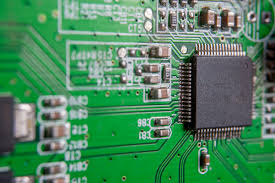
Types of Testing Methods Used to Evaluate a Circuit Board
The flying probe test, or fixtureless in-circuit test (FICT), is a popular alternative to traditional in-circuit testing because it can operate without specialized fixtures, saving time and money. The test operates by utilizing a basic fixture that holds the PCB in place while a software-controlled program moves test pins across the board to make contact with specific testing points. This test is more flexible than other in-circuit testing methods, but it’s less effective for larger boards because it doesn’t allow for a lot of additional testing points.
Automated optical inspection, or AOI testing, uses one or two cameras to capture high-resolution images of a PCB and compares them against templates of the tested design. This test is useful for detecting a variety of errors, including solder voids, improper solder ratios and missing or incorrectly-placed components. It can be conducted quickly and easily because it doesn’t require a complicated setup and runs directly from a computer.
Functional testing is an important part of any PCB manufacturing plan because it drastically reduces the chance of defects and failures in finished products. It can also highlight any issues that may affect the product’s functionality and user experience, such as interoperability with software and power management or consumption. It can also reveal potential contaminants, such as corrosion, and provide a more accurate analysis of the copper plating on a PCB by testing its tensile strength and elongation. If you’re looking for a high-quality PCB manufacturer, consider working with an expert that offers these and other tests to guarantee the best results for your project. This way, you can be confident that your circuit board will function properly and reliably in the real world.