

improve the efficiency of PCB manufacturing
Improving the efficiency of Printed Circuit Board (PCB) manufacturing is essential for companies aiming to reduce costs, enhance product quality, and meet the growing demands of the electronics market. As technology advances and consumer expectations rise, PCB manufacturers must adopt strategies that streamline production processes and optimize resource utilization. Here are several key approaches to improve efficiency in PCB manufacturing.
One of the most effective ways to enhance efficiency in pcb manufacturing is through the integration of automation and robotics. Automated machinery can perform repetitive tasks such as component placement, soldering, and inspection with precision and speed that surpasses manual labor. Implementing pick-and-place machines can significantly reduce the time required for component placement, while automated optical inspection (AOI) systems can quickly identify defects in assembled boards. By reducing human intervention in routine processes, manufacturers can minimize errors, increase throughput, and maintain consistent quality.
Design for Manufacturability (DFM) principles should be applied during the PCB design phase to enhance manufacturing efficiency. Collaborating with design engineers early in the process can lead to more manufacturable designs, reducing the likelihood of revisions and production delays. Simplifying layouts, minimizing layer counts, and ensuring proper component placement can all contribute to easier assembly and less waste during manufacturing. Utilizing software tools that incorporate DFM guidelines can further streamline the design process and facilitate the transition from design to production.
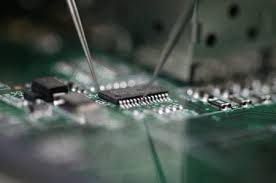
How to improve the efficiency of PCB manufacturing?
Lean manufacturing principles focus on minimizing waste while maximizing productivity. By adopting a lean approach, PCB manufacturers can identify inefficiencies in their production processes and implement changes that streamline operations. Techniques such as value stream mapping help visualize the entire production workflow, enabling manufacturers to pinpoint bottlenecks and areas for improvement. Additionally, practices such as just-in-time (JIT) inventory management can reduce excess stock and ensure that materials are available when needed, further enhancing efficiency.
The skills and expertise of employees play a crucial role in the efficiency of PCB manufacturing. Investing in comprehensive training and development programs can empower workers to operate machinery effectively, understand quality control measures, and implement best practices. Continuous education on new technologies and processes is essential to keep employees updated with industry trends. By fostering a knowledgeable and skilled workforce, manufacturers can improve production speed, reduce errors, and enhance overall quality.
Data analytics and monitoring tools can provide valuable insights into the manufacturing process, allowing for informed decision-making and continuous improvement. Implementing real-time monitoring systems enables manufacturers to track key performance indicators (KPIs), such as cycle times, defect rates, and equipment utilization. Analyzing this data helps identify trends, inefficiencies, and areas for optimization. By utilizing data-driven strategies, manufacturers can make proactive adjustments to their processes, leading to enhanced efficiency and productivity.
Regular maintenance of manufacturing equipment and infrastructure is vital for ensuring optimal performance and preventing unexpected breakdowns. Implementing a preventive maintenance schedule can help identify potential issues before they lead to costly downtime. Additionally, keeping machinery and tools in good condition can enhance their efficiency and extend their lifespan. Investing in modern machinery with advanced features can also improve production speed and accuracy, contributing to overall efficiency.
Effective collaboration and communication among teams are essential for optimizing efficiency in PCB manufacturing. Encouraging open dialogue between design, engineering, and production teams helps ensure that everyone is aligned and working towards common goals. Regular meetings and feedback sessions can facilitate the sharing of ideas and insights, leading to continuous improvement. Creating a culture of collaboration fosters innovation and enables teams to address challenges proactively.
In conclusion, improving the efficiency of PCB manufacturing involves a multifaceted approach that incorporates automation, design optimization, lean principles, employee training, data analytics, equipment maintenance, and effective communication. By adopting these strategies, PCB manufacturers can enhance productivity, reduce costs, and meet the demands of a rapidly evolving electronics market. As competition increases, prioritizing efficiency will be essential for manufacturers seeking to maintain a competitive edge and deliver high-quality products that satisfy consumer expectations.