
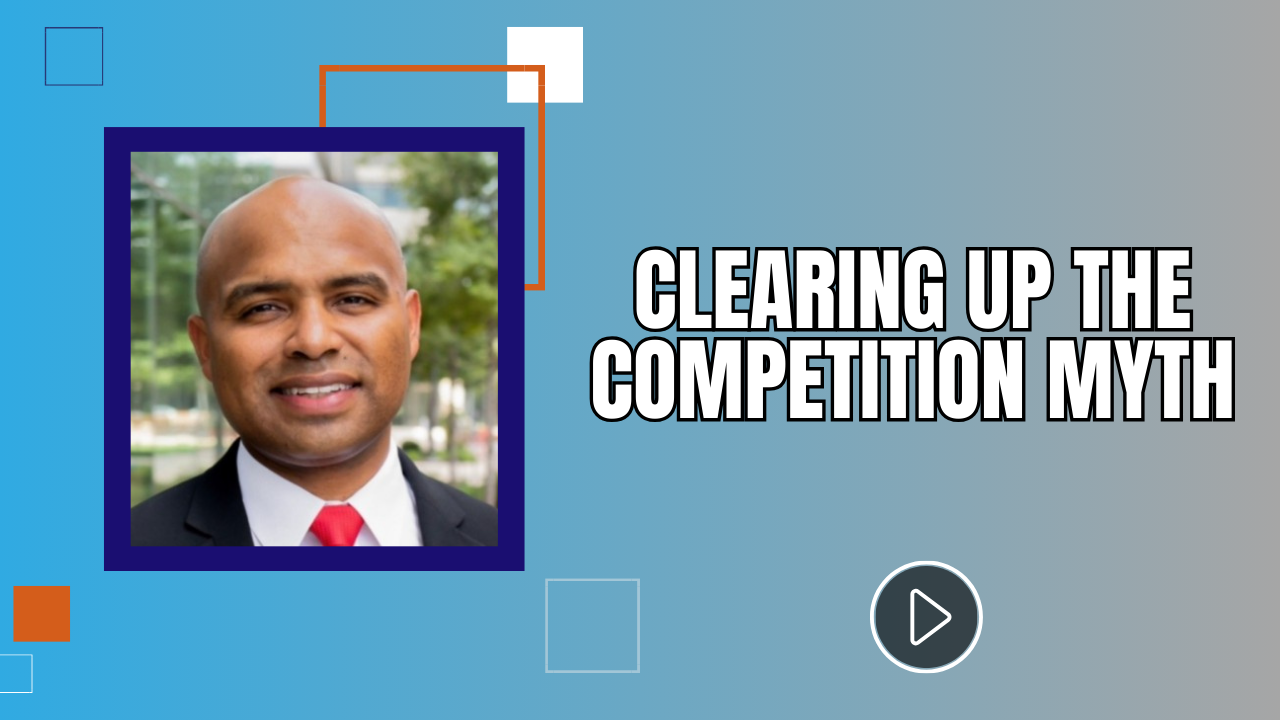

In a video interview with Pharma Commerce, Donald Prentiss, founder and CEO of Qualthera, describes how compounding pharmacies play a critical role in addressing unique and unmet medication needs that cannot be met by commercially available drugs. Their role in the pharmaceutical supply chain varies depending on the type of compounding facility: 503A or 503B.
A 503B facility, also known as an outsourcing facility, primarily supplies office-use medications to healthcare providers, who then administer them to patients. These facilities must adhere to current Good Manufacturing Practice (cGMP) standards, as they are FDA-registered and subject to inspections. In contrast, a 503A facility focuses on compounding medications based on individual prescriptions, typically in smaller, patient-specific batches. This allows for customization, such as removing allergens or adjusting dosage forms to better suit a patient’s needs.
Both types of compounding pharmacies are particularly useful in cases of drug shortages or when commercially available drugs are insufficient. For example, if a patient requires a medication that is in short supply, a compounding pharmacy can step in to provide a tailored solution. This flexibility makes compounding pharmacies essential for meeting the unique needs of patients, whether by modifying an existing medication or creating entirely new formulations to address specific medical conditions.
Ultimately, the primary function of compounding pharmacies is to bridge gaps in the pharmaceutical market by providing personalized, alternative treatments that meet the diverse needs of patients.
Prentiss also comments on the tirzepatide shortage, the notion that commercialized and compounded drugs are competing with one another, what needs to be done amid the various legal battles pertaining to GLP-1s that are currently taking place, and much more.
A transcript of his conversation with PC can be found below.
PC: The tirzepatide shortage officially ended October of last year. Up to that point, what role did compounding pharmacies play in bridging that gap for patients in need of their medication? Could you dispel the notion that commercialized and compounded drugs are competing with one another?
Prentiss: I think these are two great questions. To start off with the with the shortage piece—like I said, when there’s limited or no supply, the FDA has what’s called a drug shortage list. I encourage your viewers and listeners to look at that list to get an example of what’s on there. Whether it be tirzepatide or semaglutide, you can go to that database and see whether or not that particular drug is on shortage. If it is on shortage, then compounders have the ability to make a one-to-one copy of that.
What happened in this case is that these blockbuster drugs, [they’ve got] all these wonderful indications, and everything’s going really well. Obviously, that ate up all the supply, and so that opened the door—by way of the shortage list—for compounders to again step in and fill that gap. That’s what you’ve seen them do. As you mentioned, back in October is when the FDA indicated that it was now off of shortage. There was some litigation out there from the Outsourcing Facilities Association and others that argue that it was not actually off of shortage in the market, because a lot of pharmacies were getting feedback that patients were still having trouble getting that, since they couldn’t get it from their wholesalers to give it to their patients. You saw some back and forth there.
Since that time—I believe sometime in December—the FDA came back and said, “okay, we’re going to provide 60 days for compounding pharmacies to essentially continue to service patients as the supply kind of ramps back up from the drug manufacturer. For outsourcing facilities, I think it’s 90 days to do that. When you think about shortages, such as from the perspective of an outsourcing facility, I’m making the large batches. Again, they follow cGMP, so they have to put their stuff through studies. These are called stability studies. They have to prove the long-term, the potency, the sterility profile, and impurities across the shelf life of that BUD [beyond use data] that they’re putting on the label. That can cost hundreds of thousands of dollars.
If I’m only allowed to make something when it’s on shortage, I have to be fairly certain that it’s going to be on shortage a good while, so I can recoup my cost, while also making some money, because they are a business, they have to make good business decisions. That’s a little bit of the rub between compounding pharmacies and the FDA and drug manufacturers—compounding pharmacies can step in to fill these gaps, only when on shortage, but guess what? This is off shortage now. You stop making it, and now you’re stuck, holding back with your cost.
I saw it firsthand during COVID. When a lot of supply chain disruption happened, there were shortages of all kinds of critical drugs, using hospitals, for example. There was actually a really neat situation where there was collaboration with the FDA and with industry stakeholders to help create a website, a list of all these 503Bs that could make all these medications to help bridge that gap. It was a perfect situation to show what compounding was all about. Even with hand sanitizer—FDA came out with a formula, with a set BUD. So it says, “hey, if you make this compounders, then you can sell hand sanitizer,” because we were short.
I think those are very specific instances where compounders responded, but there were still questions of, if we jump in and make these medications, how long and what kind of tail can we expect when they come off as shortage to again, recoup our costs? There were was a lot of back-and-forth discussion on that, in order to help protect everyone’s interests.
Looking at your second question when it comes to competition, the straightforward answer is that they’re not competitors. They serve two different needs—two different levels of the supply chain—but you’re certainly right. That is the perception out there, and unfortunately, it’s propagated by both sides. In any industry, you’re going to have good actors and bad actors. Some see, on the compounding side, the opportunity to make a lot of money during this remarkable point in time, and not necessarily respect the boundaries around compounding. Again, unique unmet needs or shortage. I think it’s just really a call to action or collaboration with compounders, with the FDA, with drug manufacturers, I think this is a unique point in time that we could really do a lot of good for the key stakeholder, the patient.