
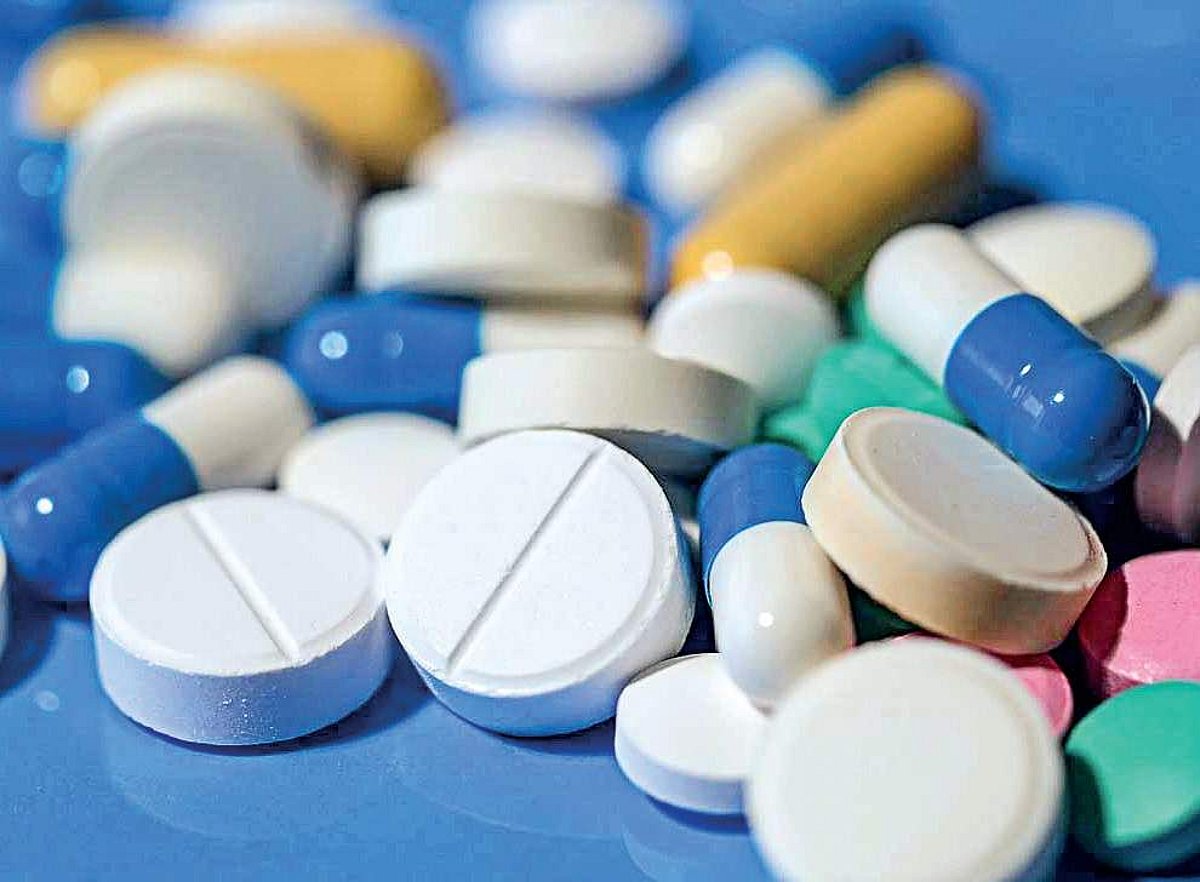

Headache? Take a painkiller! Joint pain? Take a painkiller!
In our day-to-day lives, we reach for a painkiller for immediate relief for pain of any kind and this has become the bane of our existence. Now imagine that very same painkiller taking advantage of your perfectly healthy body, which in turn could even lead to cancer.
Yes, you read it right. A frequent intake of painkillers can put you at risk of kidney cancer. Research conducted collectively by three individuals (Toni K Choueiri, Youjin Je and Eunyoung Cho) has shown an increased risk of renal cancers associated with long-term use of non-aspirin NSAIDs (Non-Steroidal Anti-Inflammatory Drugs). Let me explain how.
As we all know, painkillers are pills taken to reduce or remove pain that occurs in any part of our body. Various benefits include the reduction of inflammation, changing pain signals in the brain and suppressing pain transmission.
However, the trouble with painkillers arises when people misuse them, especially over-the-counter painkillers, which do not need a prescription. Exceeding the recommended dosage for fast relief and frequent use of painkillers for non-severe pain are other ways where we’re creating more problems. Additionally, mixing painkillers and using them without medical advice can also increase side effects and risks. One such risk is the occurrence of renal cancer.
Knowing the risk
Can quick-fix painkillers be doing more harm than good? While they are an easy solution, painkillers come with a range of side effects that can affect your kidneys, liver, and even your heart. Understanding the different types of painkillers and their risks is essential for making smarter choices. Overuse of painkillers can damage the kidneys and may lead to kidney failure or renal cancer, including renal cell carcinoma (RCC).
The research by Toni K Choueiri, Youjin Je and Eunyoung Cho has shed light on the significant association between certain painkillers and kidney cancer risk. Their meta-analysis of 20 studies involving over 8,000 patients with renal cell carcinoma (RCC) found the following:
– Non-aspirin NSAIDs: Regular use was linked to a 25% increase in kidney cancer risk, with high intake raising the risk to 56%. Long-term use (over 10 years) significantly heightened this risk, particularly among females.
– Acetaminophen: Regular use showed a 21% increase in kidney cancer risk, with higher doses elevating it to 66%. This elevated risk may be due to acetaminophen’s metabolism, as it is derived from phenacetin, a known carcinogen.
– Aspirin: Most studies found no significant link between aspirin use and kidney cancer risk. However, some studies conducted outside the US indicated a possible increase in risk, potentially due to variations in dosage, formulation, or reporting methods.
More importantly, when researchers adjusted for major risk factors like BMI and smoking, the association between kidney cancer and both acetaminophen and non-aspirin NSAIDs became stronger, while aspirin’s risk remained unchanged.
This data emphasises the importance of exercising caution with over-the-counter analgesics, particularly at high doses or with prolonged use. While these medications can offer quick relief, their potential long-term effects should not be overlooked.
Types of painkillers and how they work
1. Over-the-counter (OTC) Painkillers – These are the ones we casually pick up from the pharmacy without a second thought.
● Paracetamol (Acetaminophen) – Great for fever and mild pain, but in excess, it can harm your liver.
● NSAIDs (Non-Steroidal Anti-Inflammatory Drugs) – Think ibuprofen, diclofenac or naproxen. They reduce inflammation but can irritate the stomach and even cause ulcers with prolonged use. Also,a leading cause for renal failure.
2. Prescription Painkillers – A step stronger, these should only be taken under medical supervision.
● Opioids (such as morphine, codeine, oxycodone and tramadol) are potent painkillers often prescribed for severe pain. However, they carry a high risk of addiction and dependence, and improper use can lead to serious withdrawal symptoms.
3. Topical and Alternative Pain Relievers – These pain relievers often come in the form of creams or patches and contain ingredients like menthol and capsaicin, since they are applied directly to the skin. They are less harmful but only work on localised pain.
The side effects no one talks about
Non-Steroidal Anti-Inflammatory Drugs (NSAIDs) like ibuprofen and naproxen, when used frequently, can reduce blood flow to the kidneys. Over time, this can lead to kidney dysfunction or, in severe cases, renal failure.
Paracetamol (acetaminophen) is a common household painkiller, but in high doses, it can be dangerous. Excessive consumption can overwhelm the liver, leading to toxicity and, in extreme cases, liver failure.
NSAIDs can irritate the stomach lining, increasing the risk of heartburn, ulcers and even internal bleeding. Long-term use, especially without food, makes these risks even greater. Opioids, such as codeine and oxycodone, are powerful painkillers but also highly addictive.
Even when prescribed, prolonged use can lead to dependence, withdrawal symptoms, and in some severe cases, substance abuse disorders too. Certain NSAIDs, particularly when taken in high doses over time, have been linked to an increased risk of heart attacks and strokes. Those with pre-existing heart conditions should be especially cautious about painkillers.
Spot the signs before it’s too late!
Patients can present with blood in urine pain and discomfort seen in a few patients along with sudden weight loss. A tangible lump in the kidney area is also an evident sign. Some people might experience high blood pressure or anemia which could be a potential sign. The advanced stage of this cancer includes symptoms like ankle swelling and bone pain.
But as with any cancer, many people do not notice any signs or symptoms until the disease spreads. Furthermore, the tumour is detected through an ultrasound whereas the size and the areas where the tumour has spread can be identified through a CT scan. Always ensure to get your regular checkups done with USG abdomen and examination with a specialist.
How renal cancer can be treated
It’s a great relief to know that renal cancer is curable. Although all kidney cancers do not require chemotherapy, it’s not usually a primary treatment. Hence, the common treatment is surgery. Radical nephrectomy is a surgical procedure where your entire kidney, the nearby lymph nodes and sometimes even the adrenal gland is removed. This is the option only if the disease progression involves most of the kidney.
Meanwhile, for small tumours, partial nephrectomy is the best option. It involves the removal of only the tumour and preserving the kidney function. There are medications which block specific pathways where the cancer cells grow. The early stage can be cured by surgery but the advanced conditions demand a combination of medication, immunotherapy and supportive care.
Every treatment requires some level of personalisation as we are all unique and so is the disease. Treatment is based on size,location, age of the patient, extent of disease and feasibility for surgery. Hence, the faster the tumour is detected, the smoother the treatment goes.
Prevention over pills
It is better to prevent than to suffer, and this part is in our own hands. While painkillers help us overcome a lot of painful conditions, their frequent use or overuse causes problems. If the pain is not severe, avoid consuming painkillers. Reduce the frequency of consuming painkillers. Make sure you have a doctor’s guidance before taking painkillers especially if you have any kidney-related diseases or heart disease, high blood pressure or liver disease.
Painkillers do not treat the disease; it is a temporary relief for symptoms. Treat the underlying cause of pain for long-term benefits. For a better kidney life, adopt a healthy lifestyle. Drink lots of fluids, not canned drinks! Keep in mind to go for fresh fruit juices, buttermilk and of course, water hydration keeps the kidney healthy and reduces the risk. In conclusion, never let your painkillers cause you more pain! Remember the mantra, ‘overuse of any pill definitely causes an ill’ so never overdose.
(The author is a urologist at Narayana Health, Mysore. Views are personal.)